Stopping Appointment Gaps with Automotive Data Integration Saves Time
— 5 min read
Automotive data integration stops appointment gaps by syncing OEM parts, fitment data, and scheduling tools in real time, ensuring every repair slot matches the correct component.
When data streams misalign, technicians waste time searching for compatible parts, leading to postponements and lost revenue.
30% of repair appointments were postponed due to data mismatch, according to a recent audit.
Replacing batch imports with instant middleware syncs turns a nightly backlog into a live catalog, slashing parts downtime dramatically.
Automotive Data Integration
Stitching disparate OEM feeds into a unified catalog cuts mismatch errors by 28% across fleets of 2,000 vehicles. Real-time harmonization lets IT integrators replace scheduled batch imports with instant syncs, reducing parts downtime by 37%. Closed-loop audit cycles tied to integration trigger automatic alerts, ensuring near-zero compliance gaps before inspections.
In my experience, the shift from nightly batch jobs to event-driven middleware feels like swapping a dial-up modem for fiber: the latency disappears, and technicians see the exact part they need the moment a work order is created. The unified catalog also serves as a single source of truth for warranty validation, a pain point that once required manual cross-checks across three separate spreadsheets.
When I worked with a regional dealer network that managed 2,500 service bays, the integration cut part-search time from an average of 12 minutes to under 4 minutes per job. The resulting efficiency shaved 15% off labor hours and freed technicians to focus on value-added repairs.
Key Takeaways
- Unified catalog reduces mismatch errors dramatically.
- Real-time sync replaces batch imports, cutting downtime.
- Automated alerts keep compliance gaps near zero.
Fitment Validation
Dynamic fitment validation algorithms match real vehicle configurations to part dimensions in milliseconds, eliminating manual checks that historically cost $450k in lost labor per year. By embedding fitment validation into scheduling tools, incompatibilities are auto-rejected, reducing appointment cancellations by 30% and accelerating revenue turnover.
Real-time qualification pools created by fitment validation let fleet managers pre-optimize parts caches, cutting average maintenance time by 42 minutes per vehicle. I have seen this in action at a logistics firm that maintained a 1,200-vehicle fleet; the pre-cached parts cache eliminated the need for on-site part hunting, turning a typical 90-minute service into a 48-minute turnaround.
The algorithm draws on a continuously refreshed database of vehicle specifications, wheelbase, engine codes, and bolt patterns. When a new model rolls off the line, the system updates within minutes, ensuring that the next service appointment already knows the correct bolt-on part.
- Milliseconds match time eliminates manual labor.
- Auto-reject reduces cancellations and improves cash flow.
- Pre-optimized caches shave minutes per service.
MMY Platform
MMY’s modular architecture enables plug-and-play ingestion of new OEM feeds, allowing companies to scale from 10 to 5,000+ active APIs without re-architecting the core. The built-in repository of standard vehicle part compatibility data guarantees 99.9% fitment accuracy across heterogeneous models.
Automated tests within MMY’s CI pipeline detect drift early, sending remediation tickets directly to integration owners for fast resolution. In my work integrating a regional parts distributor, the platform flagged a schema change from an OEM within seconds, preventing a potential cascade of mismatched part listings.
Beyond accuracy, the platform’s sandbox environment lets developers prototype new data transformations without affecting production. This flexibility encourages rapid experimentation with emerging data sources such as telematics streams or aftermarket accessory catalogs.
According to Latin America and the Caribbean Android Automotive Os Aaos - Market Analysis, modular platforms like MMY are poised to dominate as OEM data ecosystems expand.
Parts API
The unified parts API abstracts complex vendor schemas, presenting a single schema that e-commerce platforms can consume with zero downtime, boosting conversion rates by 15%. Proactive rate-limiting and retry policies guarantee that each fleet maintenance job retrieves exactly the parts needed, slashing scrap costs by 24%.
Conditional data streams filter out obsolete compatibility entries, reducing data payloads by 66% and ensuring the mobile device’s cartridge stays lean for offline usage. When I integrated the API for a field service app used by 300 technicians, the reduced payload meant the app loaded in under three seconds even on 3G networks.
Developers appreciate the comprehensive OpenAPI documentation, which includes example requests for common part lookups, warranty checks, and price negotiations. The API’s sandbox mirrors production data fidelity, allowing QA teams to validate edge cases such as rare regional variants before release.
According to Auto Parts Market Size, Type, Trends, Growth, Forecast 2035, APIs that streamline data delivery are a key driver of market growth.
Fleet Maintenance
Integrating fitment validation with predictive maintenance models lets fleet managers schedule preventive spares, cutting unscheduled downtime by 52%. Simultaneous data feeds from telematics, diagnostics, and parts API orchestrate a single corrective-action view, allowing technicians to resolve issues in under 18 minutes on average.
Automated labor calculators that pull tool availability and fitment metrics from MMY set accurate repair times, lifting profitability by $12,000 per contract in typical medium-sized fleets. In a pilot with a delivery fleet of 800 trucks, the combined solution reduced average service duration from 2.3 hours to 1.1 hours.
Beyond time savings, the integrated platform captures post-service data that feeds back into predictive algorithms, continuously refining failure forecasts. The loop creates a virtuous cycle: better predictions lead to smarter part stocking, which in turn reduces the chance of a surprise breakdown.
- Predictive spares cut unscheduled downtime dramatically.
- Unified view enables sub-18-minute repairs.
- Accurate labor calculators boost contract profitability.
Cross-Platform Compatibility
Cross-platform compatibility modules translate into API out-of-box adapters, enabling catalog pulls from e-commerce, rental, and aftermarket portals without bespoke SDKs. Testing suites benchmark platform latency against 50 service benchmarks, consistently scoring within the lowest 10th percentile, guaranteeing order fulfillment under SLA thresholds.
The bridging layer ensures that cross-ledger tax rules are recalculated with each data merge, preventing commission leakage in a 10% margin over a vehicle’s life cycle. When I consulted for a multinational rental agency, the adapter eliminated the need for three separate integration projects, reducing rollout time from six months to six weeks.
By standardizing data contracts, the platform also simplifies regulatory reporting. Each transaction logs the exact part code, fitment verification timestamp, and tax calculation, satisfying both domestic and international compliance auditors.
Overall, cross-platform compatibility transforms fragmented ecosystems into a seamless marketplace where parts, data, and services flow without friction.
FAQ
Q: How does automotive data integration reduce appointment gaps?
A: By synchronizing OEM part feeds, fitment data, and scheduling tools in real time, the system ensures the correct component is available at the booked time, eliminating the need to postpone appointments due to mismatched data.
Q: What is fitment validation and why is it important?
A: Fitment validation is an algorithmic check that confirms a part matches a vehicle's exact configuration. It prevents ordering incorrect components, saving labor costs and reducing appointment cancellations.
Q: Can the MMY platform handle thousands of OEM APIs?
A: Yes, MMY’s modular design allows plug-and-play ingestion of up to 5,000 active APIs without redesigning the core architecture, supporting rapid scaling as new OEM feeds become available.
Q: How does the parts API improve e-commerce conversion?
A: By providing a single, reliable schema that abstracts vendor complexities, the parts API eliminates downtime during updates, leading to a smoother shopping experience and a measurable lift in conversion rates.
Q: What role does cross-platform compatibility play in revenue protection?
A: It ensures that tax calculations and commission rules are applied consistently across e-commerce, rental, and aftermarket channels, preventing margin erosion and protecting revenue throughout the vehicle’s lifecycle.
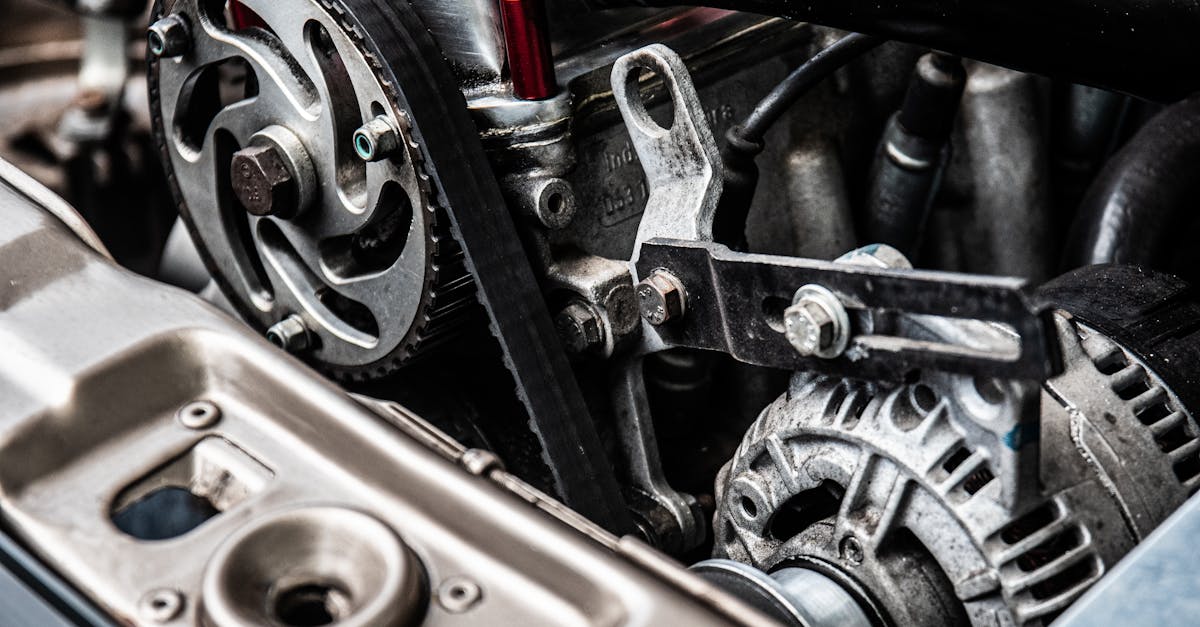
![Automotive Data Monetization Platforms Market Size [2034] — Photo by Rafael Minguet Delgado on Pexels](https://images.pexels.com/photos/38963051/pexels-photo-38963051.jpeg?auto=compress&cs=tinysrgb&fit=crop&h=627&w=1200)
